
WYSAW 2026
12th Annual Wyoming Snow & Avalanche Workshop
Nov. 13-14, 2026
The Center for the Arts | Jackson, Wyoming
WYSAW continues to be an important opportunity for our community to come together and make a conscious, intentional effort to make backcountry safety a top priority. We understand how important backcountry recreation is to Jackson Hole, and how life changing and wonderful it can be. We hope that events like WYSAW help provide educational tools and a positive mindset that put risk and consequence into perspective. We've seen how tragedy can devastate a community. It's up to all of us to make sure we do everything possible to prevent such tragedies from occurring.
Ticket Pricing
Enjoy early bird pricing, save $10 when you purchase your ticket(s) by October 20. The discount will be applied automatically at checkout.
Pro Day
Friday, November 13 — $10
Pro Day at WYSAW includes presentations, topics and ideas that are tailored for those who work in the snow and avalanche safety industry, and for recreationalists who are excited to dive into higher education. Doors open at 11:30 a.m. on Friday, November 13, at the Center for the Arts, with programming ending at 4:30 p.m. Afterward, we’ll all walk over to Stillwest Brewery for happy hour with the American Avalanche Association.
Rec Day
Saturday, November 14 — $35
Rec Day at WYSAW finds an intentional balance between snow science, decision-making, case studies, and practical takeaways for all levels of backcountry enthusiasts. This is the ideal time to gather your backcountry partners and spend a day learning from some of the best and brightest minds in the field of snow science and mountain navigation. Every registered guest gets a free burrito from Pica’s, plus beer from Roadhouse Brewery and Snake River Brewing.
Pro + Rec Day Pass
Friday & Saturday — $40
Want to attend both days? We have a pass for that.
2026 WYSAW Speakers
DAVID HAMRE
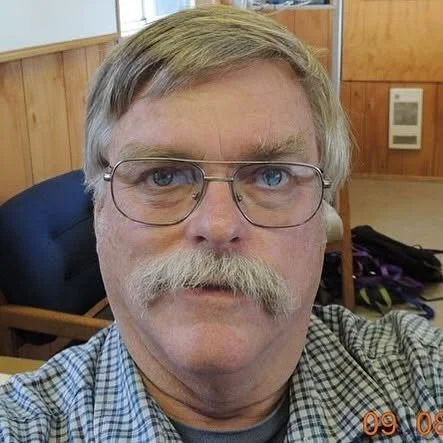
For more than 50 years, David Hamre has been studying avalanches and helping others avoid them in all manner of methods.
In 1972, at the ripe old age of 20, he became the Snow Safety Director at Alta, Utah. In 1977, he was named Snow Safety Director at Alyeska Resort, Alaska. A few years later he established Alaska’s Seward Highway Avalanche Program under his original company, Alcan Avalanche Services.
In 1985, Hamre began work as an employee of the Alaska Railroad, where he was the Avalanche Program Manager. This work required a full-time, seasonal effort at first and turned into a full-time, year-round position in 1996 with the addition of more complicated and demanding infrastructure related to avalanches. At the railroad, he was engaged in the development of projects with an emphasis on avalanches, the development of technologies suitable for avalanche risk reduction, and managing an artillery-based risk reduction program. There were also ample opportunities to engage in avalanche consulting work during his entire 37 years at the railroad.
Presentation: Cumulative and Collective Risk in the Avalanche World
At WYSAW, Hamre will share the immense wisdom and hard lessons he’s learned through five decades of working around avalanches.
JULIE ANN ‘JULZ’ HOLDER
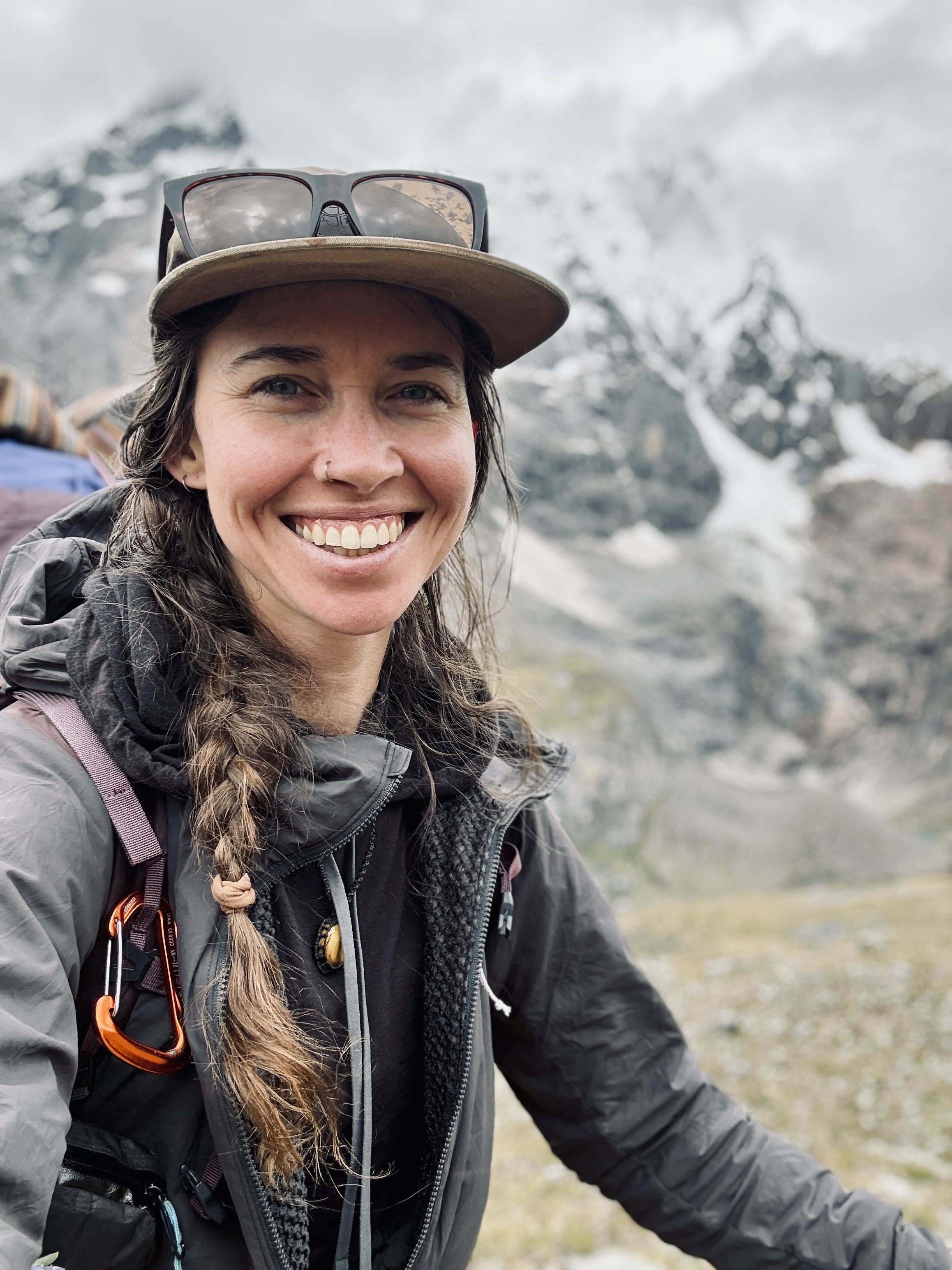
Julz Holder’s current job titles include: Backcountry Mentor, AMGA Certified Ski Guide, Founder of Grounding Truth Holistic Guiding, and Wilderness Medicine Instructor.
Julz developed her craft of various modes of mountain travel in all the places she has chosen to live—from the Southeastern U.S. to Southeast Alaska, to Montana, and then on to Washington, where she now calls the North Cascades home. Julz is an educator by nature, a guide by passion, and a person who is easily captured by curiosity.
Julz’s study of group dynamics goes beyond her work, and is informed by both academic study and personal experience.
Presentation: Creating Consensus in Touring Group Dynamics
Consensus is a term we hear and use all the time in backcountry education… but how often do we feel successful in finding it within our group decision-making strategies? Is consensus possible in every partner dynamic? How do we curate the relational environment to create space for this consent-rooted decision-making style?
Regardless of where you are in your backcountry experience, considering the culture you are creating for those around you is a worthwhile exploration. This presentation will give you some direction to help you dive deeper into the nuances of group dynamics and culture.
ZAHAN ‘Z’ BILLIMORIA
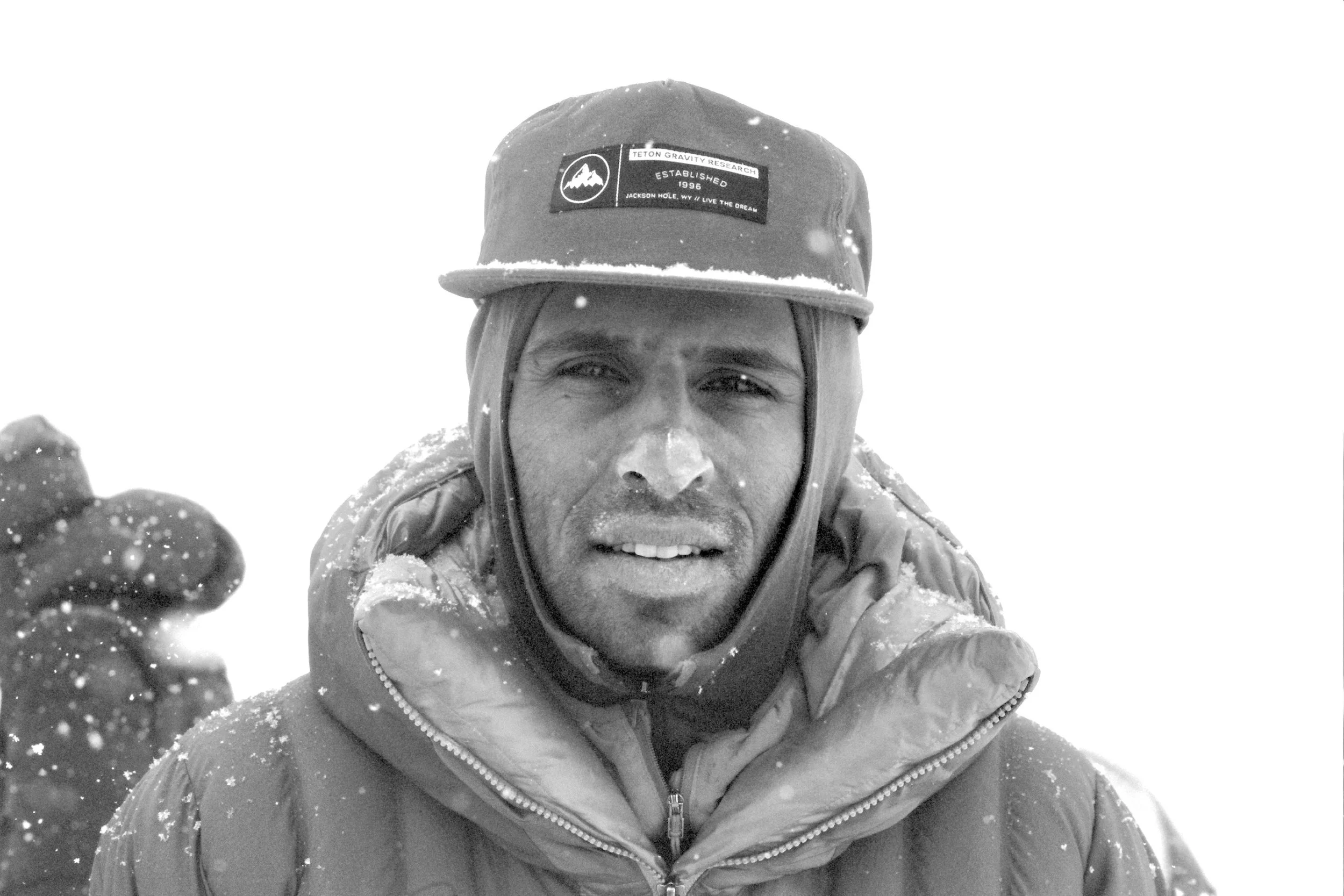
Photo: Dutch Simpson
Zahan Billimoria is a Jackson-based IFMGA guide and the founder of the Big Mountain Snow Safety Course, a 15-year avalanche program dedicated to helping advanced skiers and riders traveling in big mountains build a skillset that enables them to make decisions in snow-covered terrain.
Presentation: The Terrain Between My Ears
Zahan will detail his personal journey of building a decision-making process that enables him to better connect with the natural world, become a keener observer of it, and evaluate his own state of mind—to make decisions that reflect his own tolerance of risk.
NATA de LEEUW
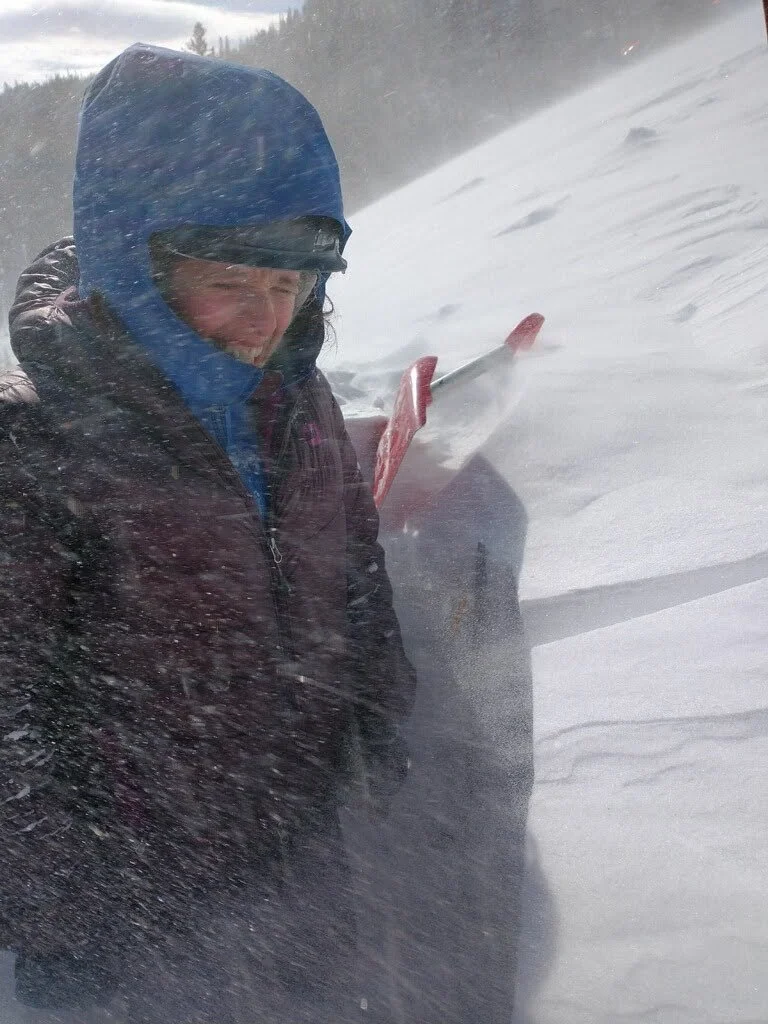
Nata de Leeuw works as an avalanche forecaster for the West Central Montana Avalanche Center in Missoula, Mont. She started her career as a ski patroller at Castle Mountain Resort in Alberta. Graduate school is what initially brought her to Montana, where she received a Master’s in Snow and Avalanche Science from Montana State University in 2023. She also teaches for the American Avalanche Institute.
Presentation: Wind Slab or Storm Slab?
As an avalanche professional, have you ever argued with your coworkers about whether the avalanche problem is a wind slab or a storm slab? As a forecast user, have you ever wondered why it matters? This presentation will take a deep dive into how these two avalanche problem types are used throughout North America, and address whether or not consensus is possible.
BILLY HAAS
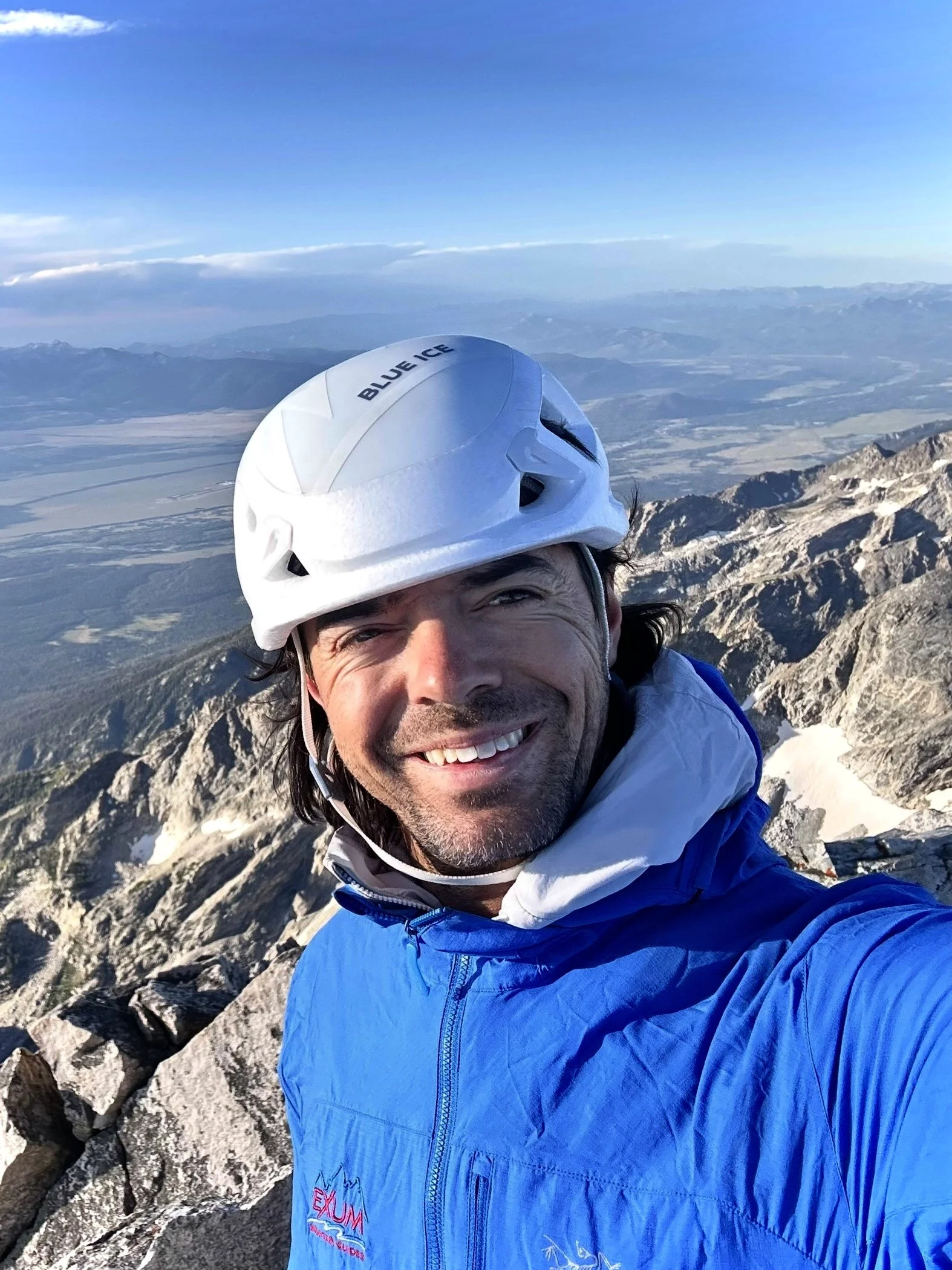
Billy Haas is an IFMGA Mountain Guide based in Utah. He works as an operational forecaster for Utah Mountain Adventures, teaches pro avalanche education for the American Avalanche Institute, and works as an Instructor Team Member for the AMGA. He is also a guide for Exum Mountain Guides and the Alaska Mountaineering School.
Presentation: Operational Strategies for PWL Management in Backcountry Terrain.
Tips, strategies, and advice learned from my time forecasting through Persistent Weak Layer cycles in backcountry terrain.
JEN REDDY
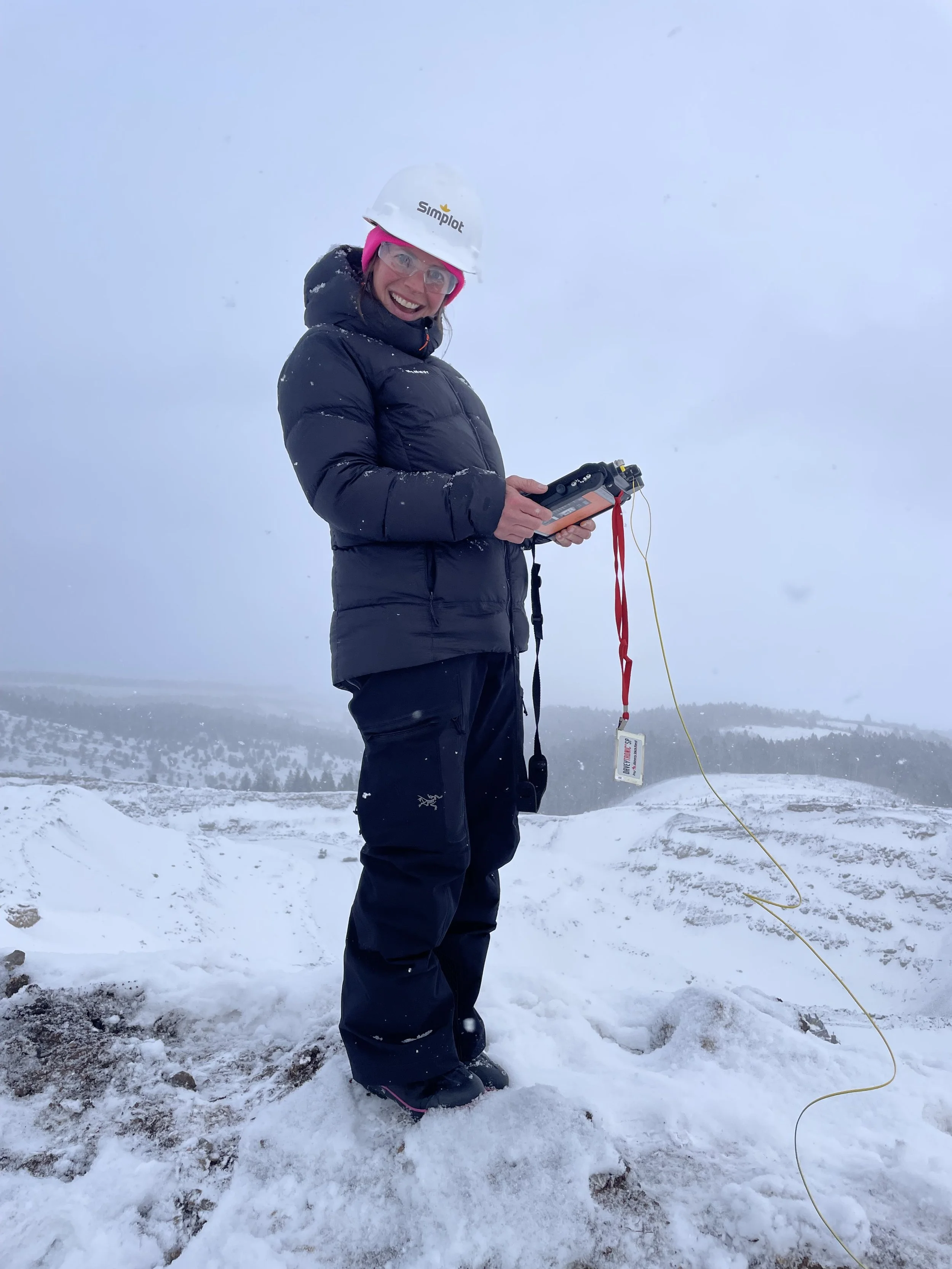
Jen Reddy is the Pro Training Program Manager for the American Avalanche Association, where she develops and leads professional-level avalanche education for guides, patrollers, forecasters, and rescue professionals across the U.S. Her background spans both the operational and educational sides of the field: She has worked as a heli-ski guide in Valdez, Alaska, and spent over a decade with Teton County Search & Rescue. She currently serves on the Board of the Bridger-Teton Avalanche Center Foundation. Jen recently returned from riding a ridiculously underpowered motorcycle across Mongolia.
DAVE ‘GROM’ RICHARDS
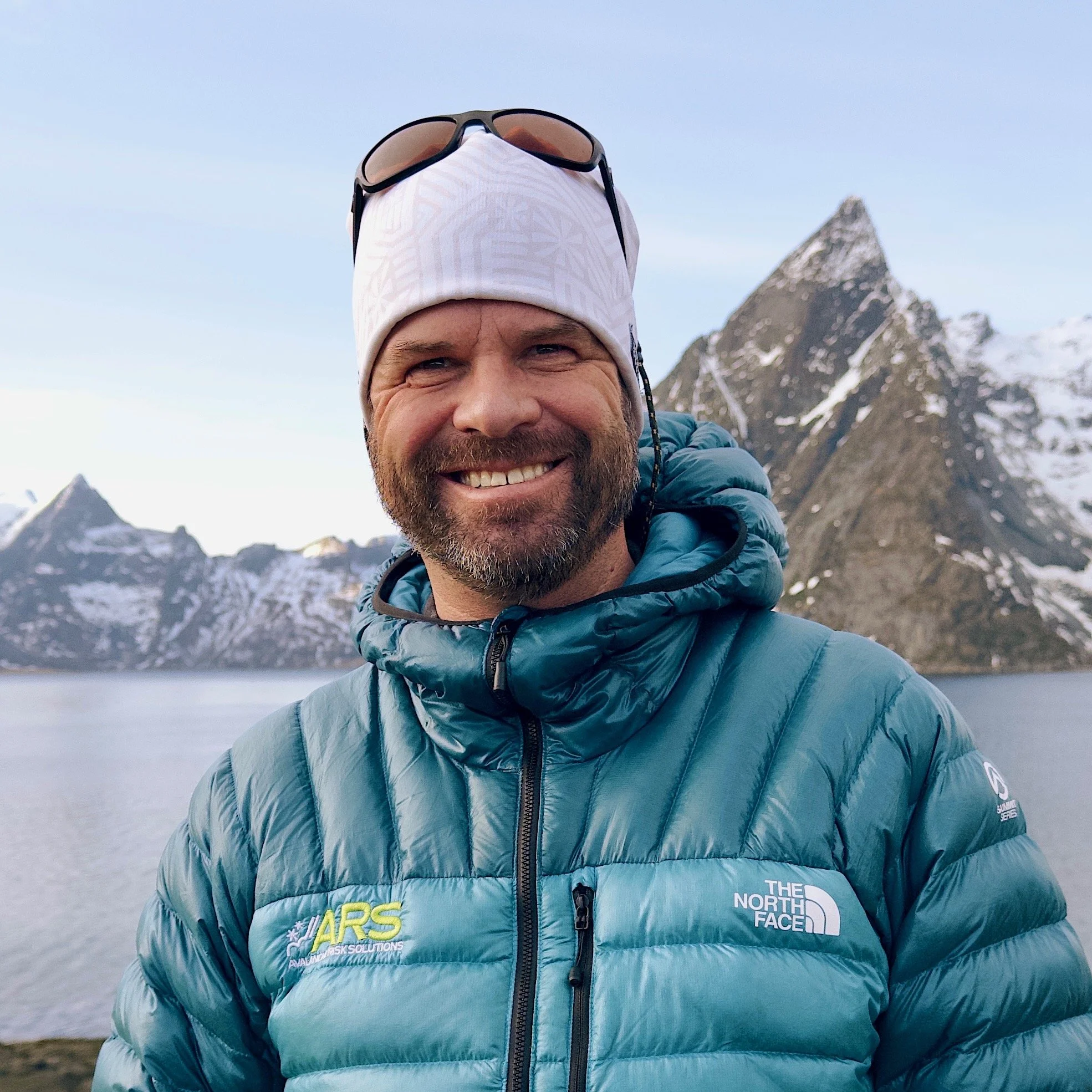
Dave ‘Grom’ Richards has worked in the avalanche business for 26 years as a ski patroller, heli guide, the Director of the Avalanche Program for Alta Ski Area, and is now Senior Avalanche Consultant and owner at Avalanche Risk Solutions. He says that the Wasatch is too crowded and he would rather be ski-touring in Norway.
At WYSAW, Grom will be part of a panel discussion during Pro Day, Nov. 13, on how, why, and when avalanche professionals can work through periods of persistent weak layers. The audience will learn what actions these pros take to increase their margin and continue to go out when others are going home in these uncertain conditions, as well as how they know that it may be time to just call it quits.
On Saturday, Nov. 14, he will take a deep dive into the tragic Wilson Glade avalanche accident, on February 6, 2021, and ensuing report to see what people learn from these events. A longitudinal study examines what people recall from the accident years later, and how their behavior changed based on these lessons.
ANTHONY STEVENS
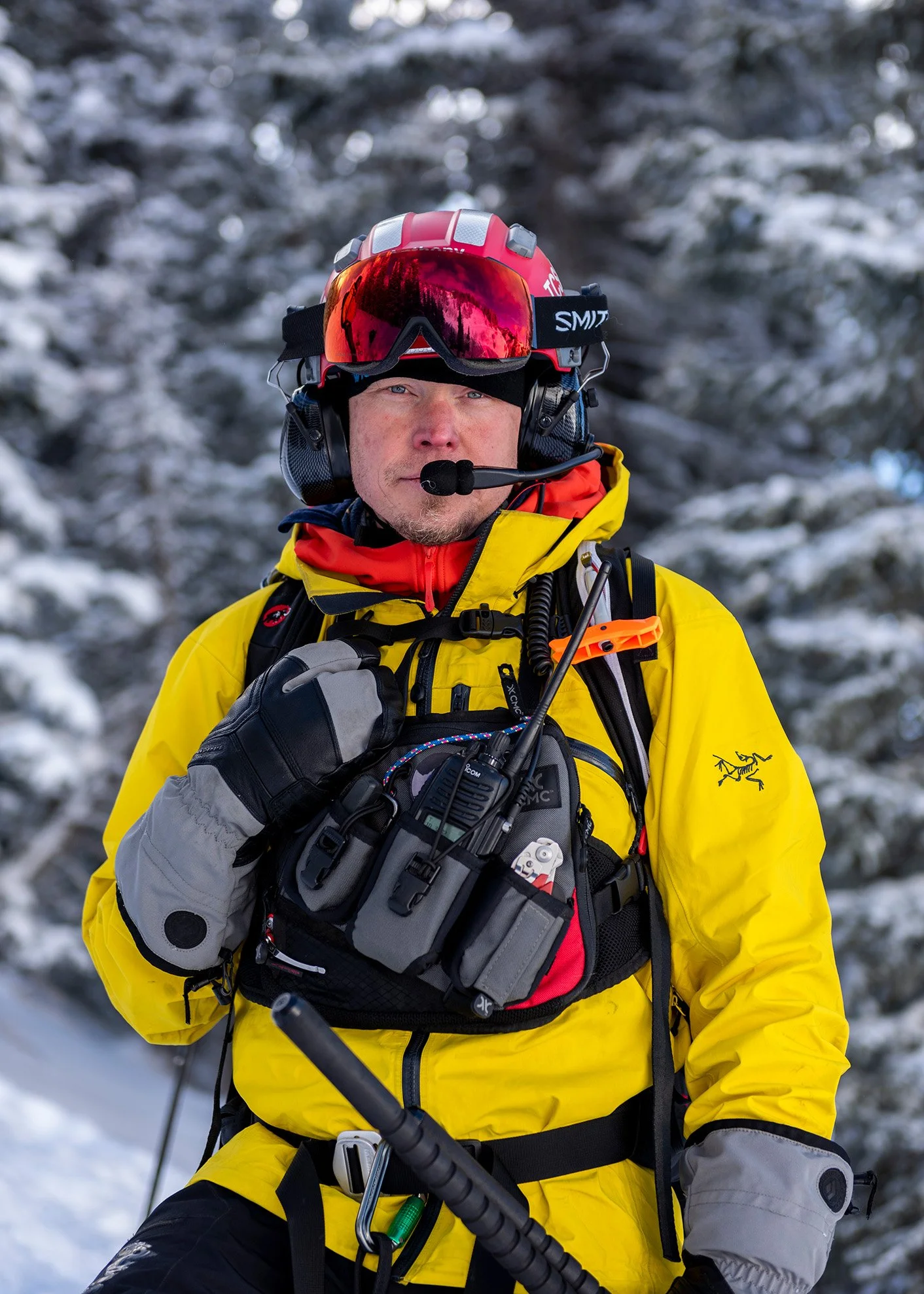
Anthony Stevens is the Chief Advisor for Teton County Search & Rescue, where he has been a volunteer since 2015. Born and raised in Wyoming, Anthony is a lifelong resident of Jackson Hole. After attending college in Arizona, he returned to Wyoming to devote his life’s work to the outdoors. In 2010 he became a field instructor for NOLS, which offered the opportunity to both teach and learn in most ruggedly, wild areas around the world.
Currently, he is the owner/operator of Wounded Bear Medicine, a lead medical instructor for Wilderness Medical Associates International, a field instructor for NOLS, a Wilderness Emergency Medical Technician (WEMT), a Tactical Emergency Medical Technician (EMT-T), a graduate from the United States Park Police Counter Narcotics and Terrorism Operational Medical Support (CONTOMS) EMT-T and Advanced EMT-T courses, a CONTOMS Instructor, a American Heart Association BLS CPR instructor, a American Red Cross BLS CPR instructor, a Wyoming Peace Officer Standards and Training subject matter instructor, and an Active Shooter instructor.
When he is not educating and keeping the adventurous safe, his passions include drinking vast amounts of coffee, trail running, mountain biking, backcountry skiing or anything else that keeps him in motion. Anthony and his wife, Erika, enjoy passing on their enthusiasm for all things outdoors to their three kids.
EEVA LATOSUO
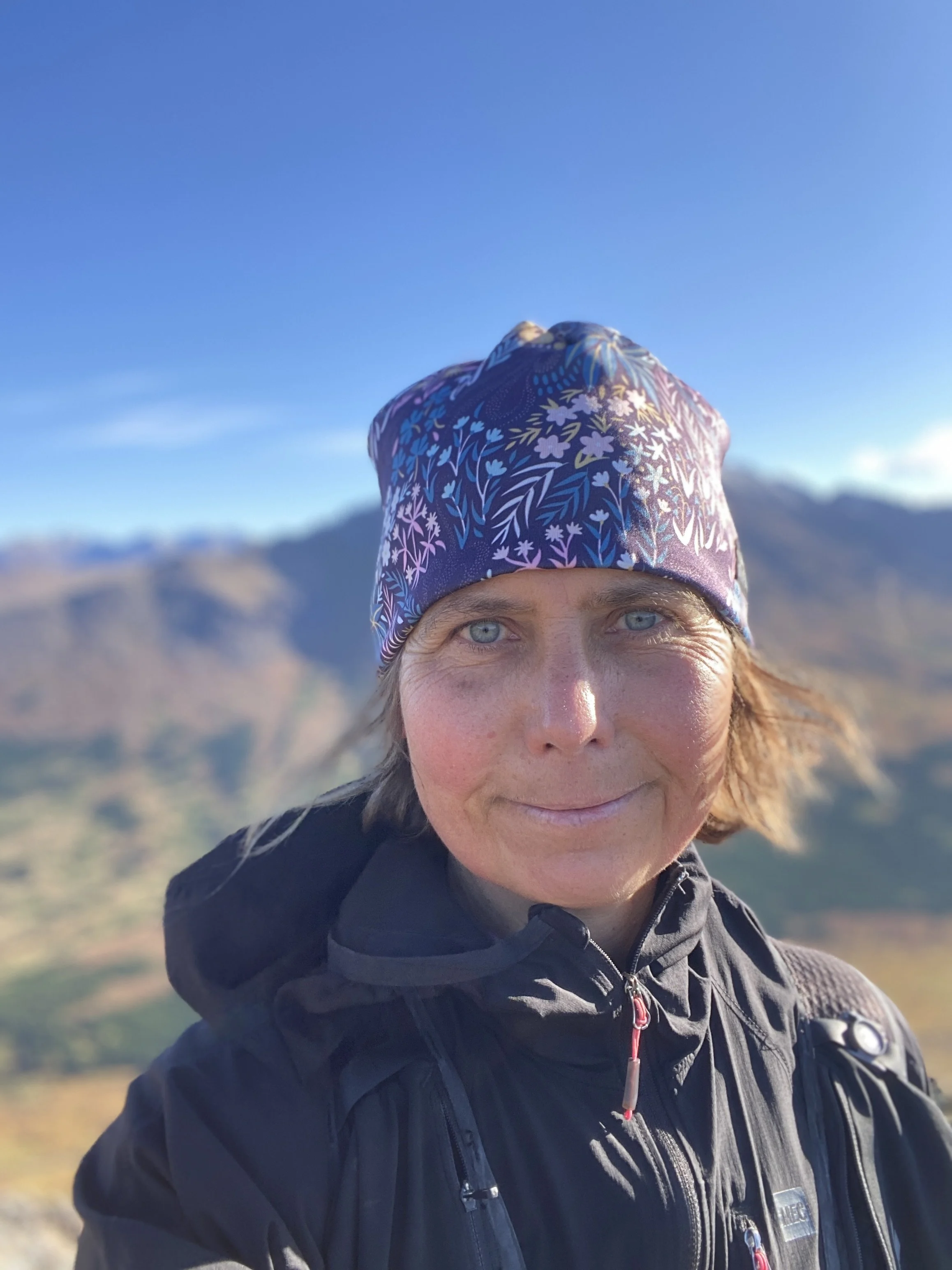
Eeva Latosuo is a PhD candidate at Simon Fraser University studying the role of uncertainty in avalanche risk communication. Based in Anchorage, she teaches at Alaska Pacific University (Associate Professor of Outdoor Studies) and leads advanced avalanche courses for Alaska Avalanche School. She feels lucky to live, learn, and play in the mountains year round.
Presentation: What Should We Do With Uncertainty?
Four practical questions to run through before deciding whether, where, and how to communicate uncertainty in a public forecast, illustrated with real forecasting situations and concrete guidance.
FRANK CARUS
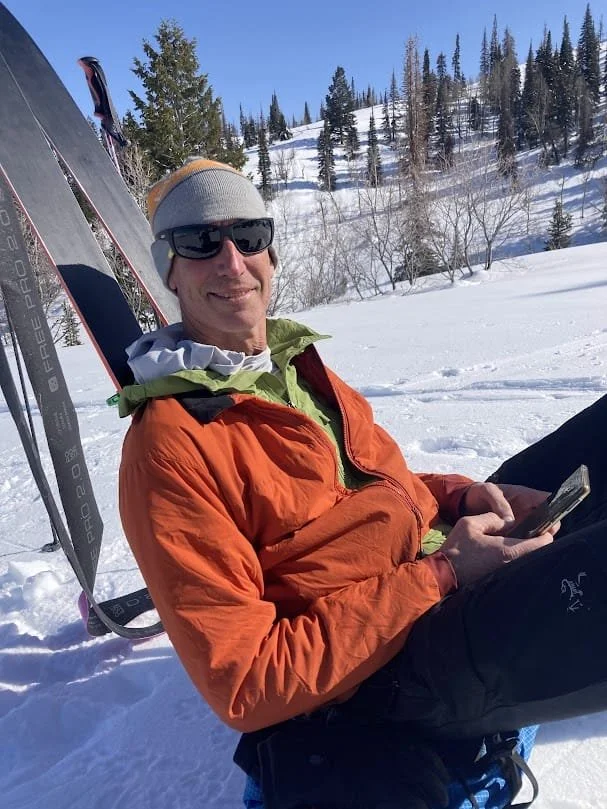
Frank Carus is the Director of the Bridger-Teton National Forest Avalanche Center in Jackson, Wyo. Before he arrived at BTAC in 2021, he spent 10 years with the U.S. Forest Service at the Mount Washington Avalanche Center. Previously, Frank worked as SAR team leader or Incident Commander for many avalanche and mountain rescues in New Hampshire and has investigated more avalanche incidents and fatalities than he would like. Frank is a trained Critical Incident Stress Peer Supporter and a member of the Teton Interagency Peer Support group. He has an obvious passion for learning and has taken the AMGA Alpine, Ski, and Ski Mountaineering guide courses and has worked as a mountain guide and rescue instructor since 1996. The human relationship to risk-taking is an endless source of fascination for Frank.
SCOTT McINTOSH
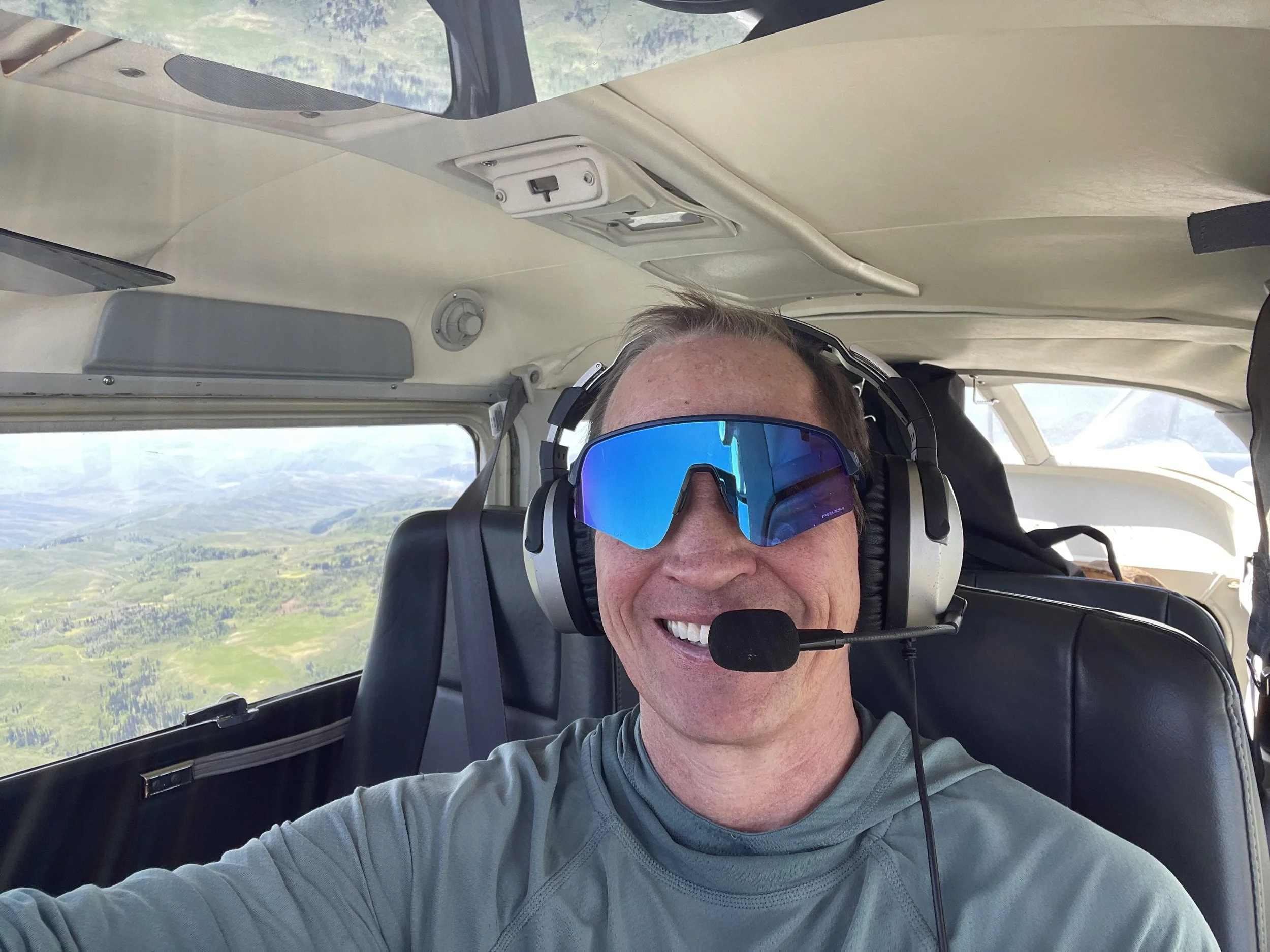
Dr. Scott McIntosh is professor of Emergency Medicine at the University of Utah Utah. He has taught widely on the topics of Mountain medicine and Avalanche Rescue. Much of Scott's research focuses on Avalanche, safety, burial, physiology, and Rescue.
Presentation: How to design a medical kit for the Backcountry. What injuries and medical issues are most common to prepare for. How to improvise if needed.
TJ HARTRIDGE

Dr. TJ Hartridge is an Assistant Professor of Emergency Medicine at the University of Utah, Board-Certified Emergency Medicine doc, Fellow of the Academy of Wilderness Medicine, After the Avalanche project founder, and member of the Snowbird Ski Patrol.
Presentation: After the Avalanche Wilderness Medicine Review for BackCountry Users
An interactive Lunch ‘n Learn focusing on immediate steps following an avalanche accident, emphasizing resuscitation and review.
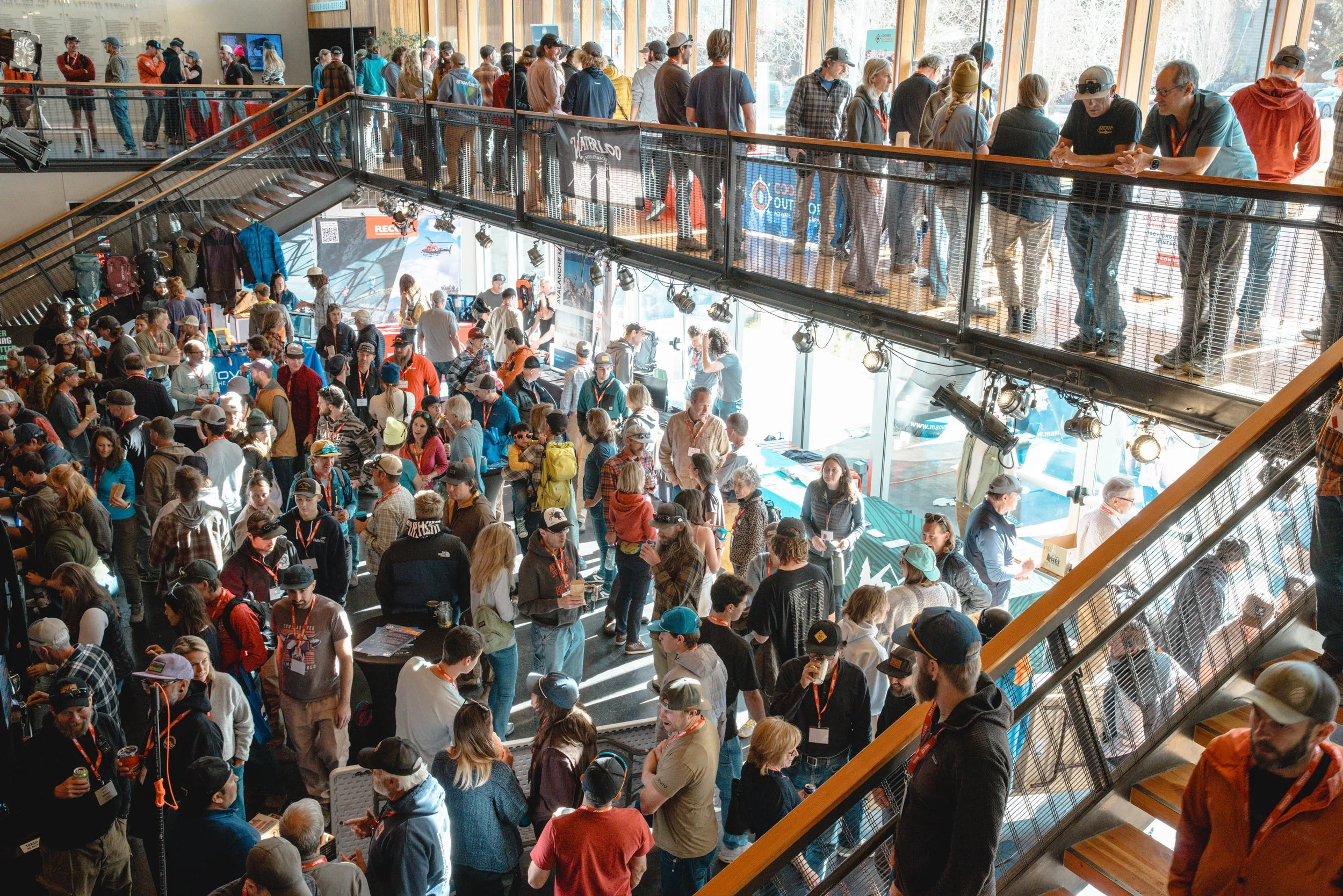
WYSAW is the perfect opportunity to gather with old friends and new to get ready for a safe winter. Please join us at the Center for the Arts on Nov. 13-14, 2026. Photo: Joey Sackett
All 2025 presentations were recorded and are available to watch on YouTube.
The WYSAW Story: How Did We Get Here?
In 2015, the Wyoming Snow & Avalanche Workshop was launched in the spirit of continued education and as an invitation to the local backcountry community to have open, honest conversations about adventure, risk, and consequence. At the time, the community was reeling from some very tragic and high-profile winter accidents. Organizers decided to push forward with WYSAW as a way to help the community heal with an opportunity to connect and learn.
Today, that original spirit and intent is as important as ever. Check the link below to read the full history about how WYSAW started, who was behind the effort to positively shift backcountry culture in the Tetons, and why it remains so crucial today. And please, join us to keep the movement going.
““Y’all are doing a fantastic job and have really hit the ground running with WYSAW. Although we don’t live in the Tetons it has given us a good excuse to come down and visit. WYSAW has become a touchstone to keep us in touch with the avalanche community.””
““A number of the talks were full of valuable information. The expert panel was also thought-provoking. Having these discussions pre-season is good as it gets me thinking about avalanche safety and touring safely in the backcountry.””
““I appreciate how it brings out folks from the woodwork that I otherwise wouldn’t have the chance to meet. I also treasure those little ‘nuggets of wisdom’ that presenters give out along the way throughout the presentations.”
”
““I always enjoy the variety of topics that are presented and hearing the latest both on how technology and culture are impacting riders’ experience in the backcountry.””
““I’m from Colorado so it was nice to come up in person. Nice venue, size, flavor. Thanks for the snacks!””